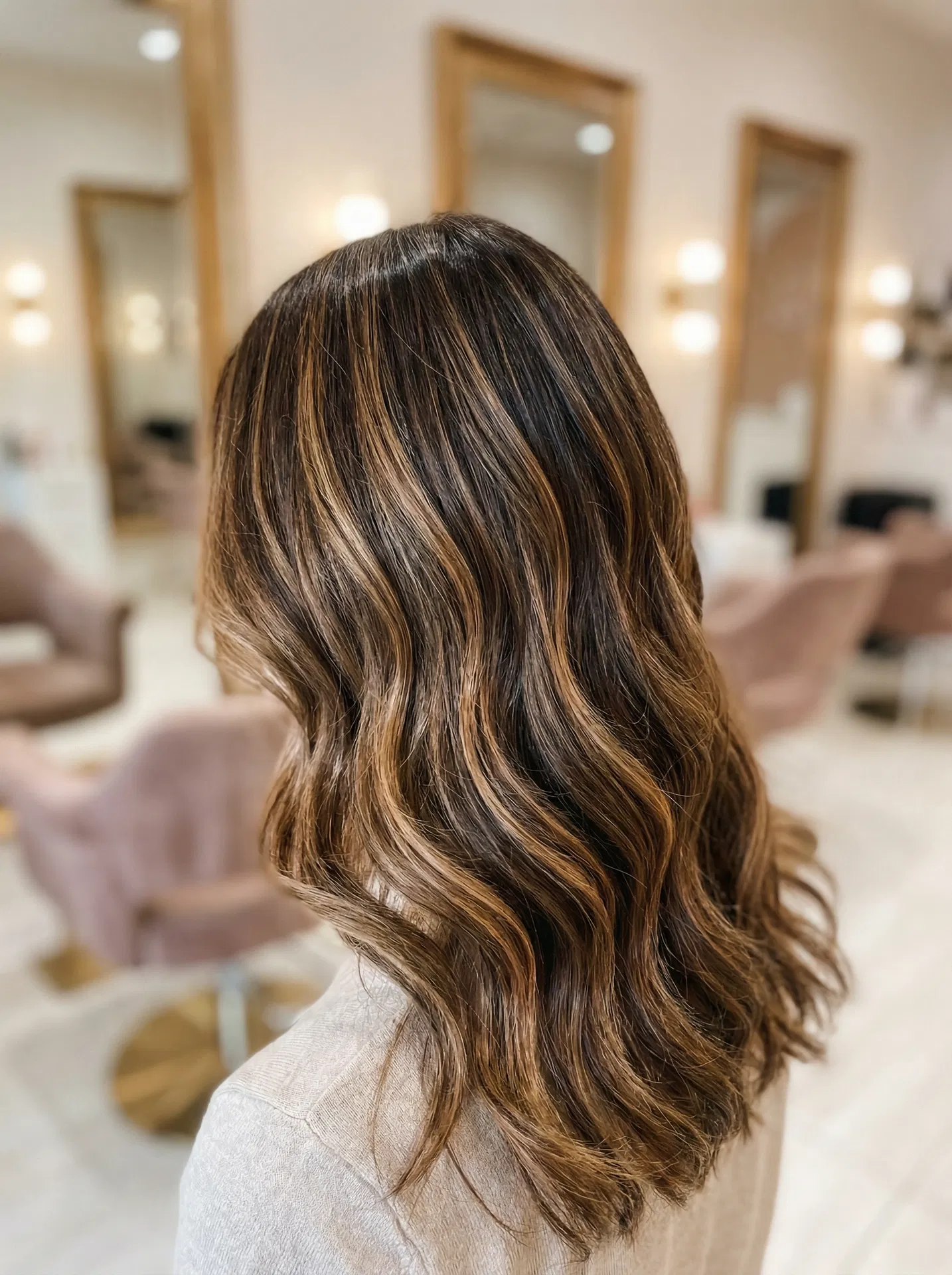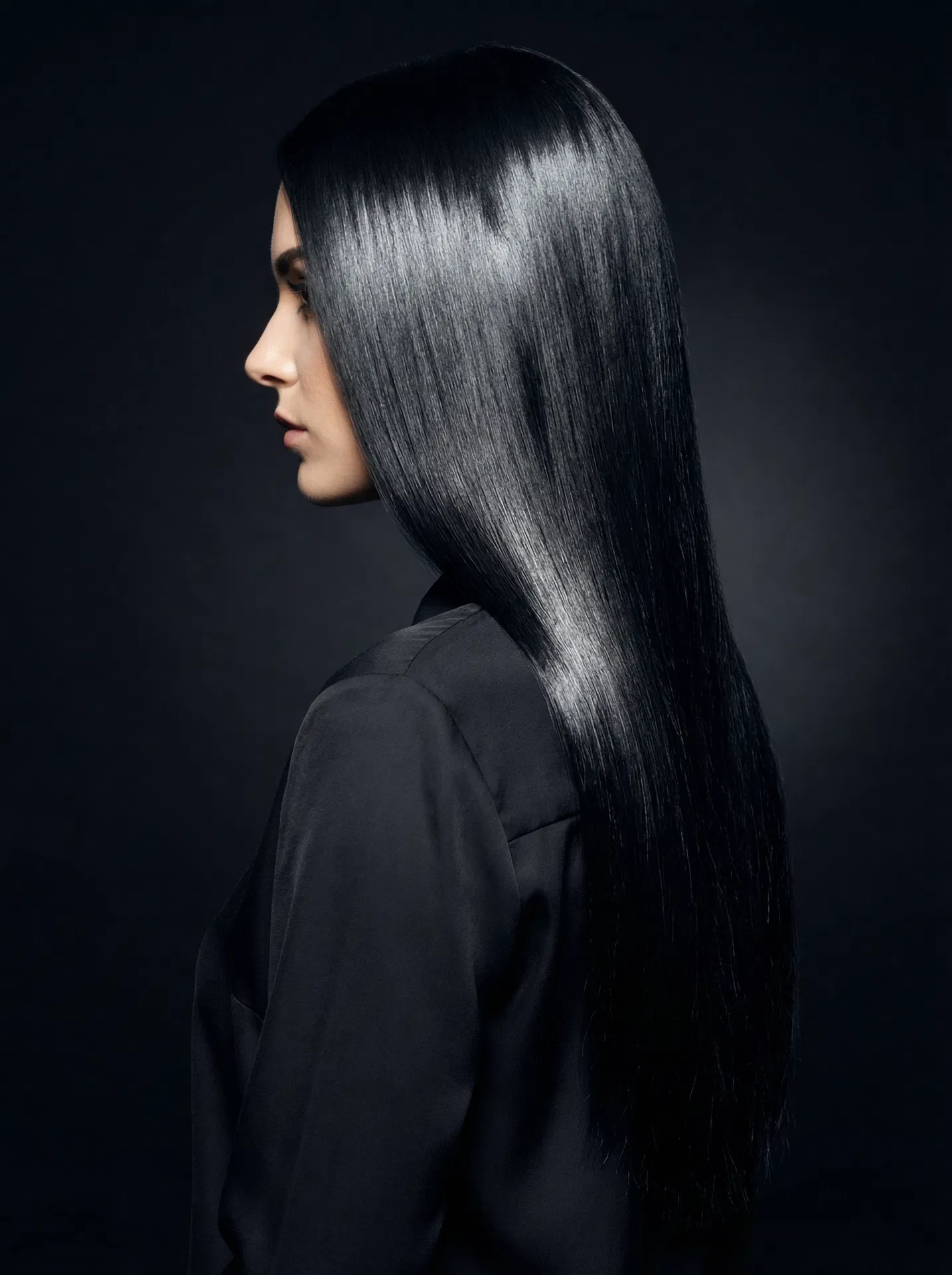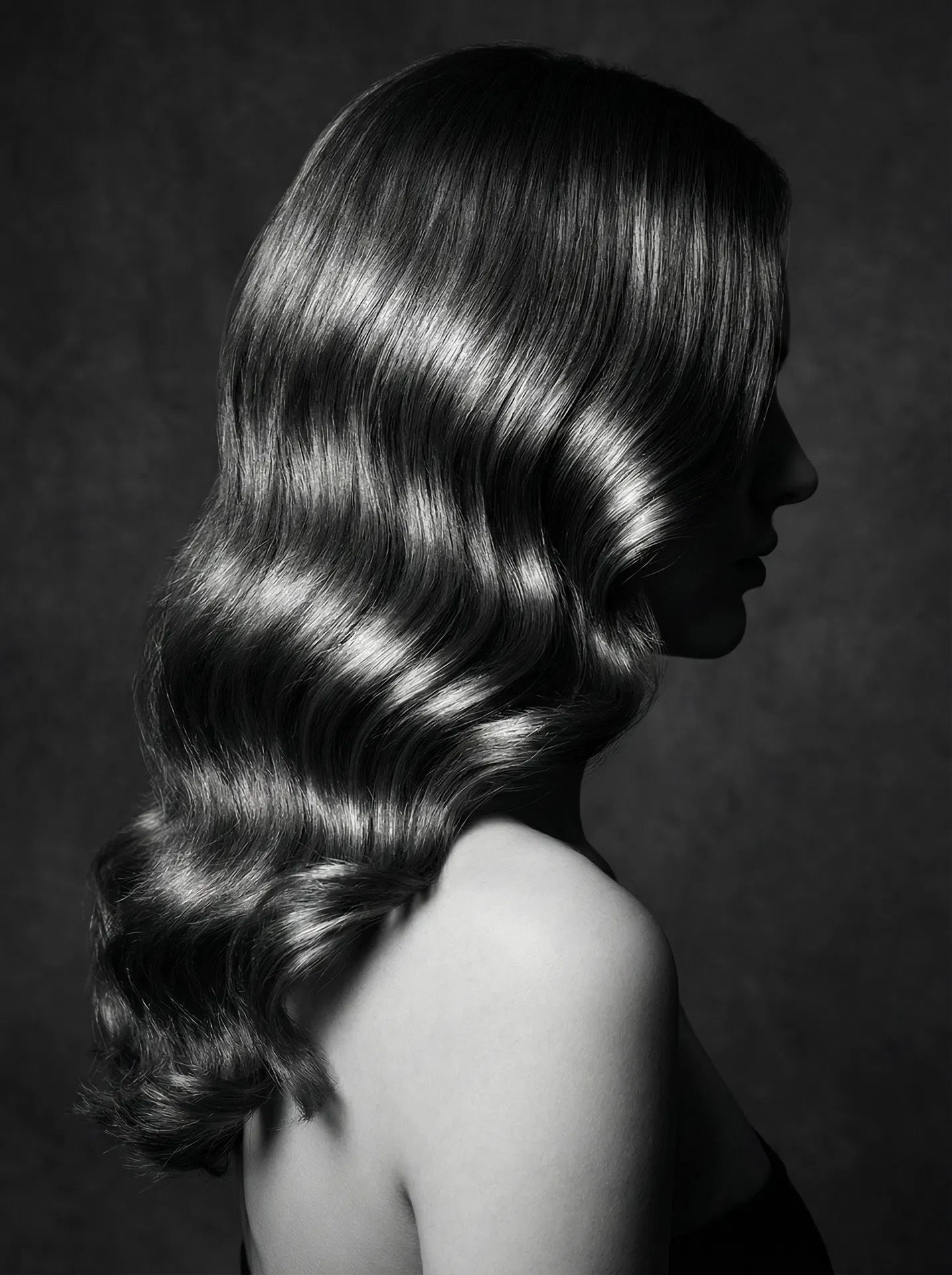
The desire for straight, manageable hair is universal — and for decades, the only options were damaging flat irons or chemical relaxers that compromised hair health. Today, professional hair straightening has become a sophisticated science. Modern techniques use advanced formulations and precision application to deliver beautiful, straight hair while maintaining — or even improving — hair health.
Why Professional Straightening?
At-home flat irons and drugstore straightening products can work in the short term, but they often lead to cumulative damage: split ends, breakage, dryness, and loss of shine. Professional straightening treatments are formulated with conditioning agents, proteins, and protective compounds that not only straighten the hair but also repair and strengthen it. The result is hair that is not only straight, but visibly healthier, shinier, and more resilient.
Japanese Straightening: The Gold Standard
Japanese straightening, also known as thermal reconditioning, is the most permanent straightening option available. This technique restructures the internal bonds of the hair using heat and a specialized chemical formula, resulting in permanently straight hair that lasts until new growth appears. The process typically takes 3 to 5 hours and requires multiple applications and rinses. The result is pin-straight hair that requires minimal styling effort — simply blow dry or air dry for a sleek, polished look. Japanese straightening is ideal for guests with naturally wavy or curly hair who desire a dramatic transformation. The treatment works on all hair types, though results are most dramatic on coarser, curlier hair.
Thermal Reconditioning: The Science Behind It
The science of thermal reconditioning is fascinating. Hair is made up of protein chains held together by three types of bonds: hydrogen bonds (temporary, broken by water), salt bonds (semi-permanent, broken by pH changes), and disulfide bonds (permanent, only broken by chemical treatment). Japanese straightening works by breaking the disulfide bonds in the hair cortex, allowing the hair to be reshaped into a straight form. Once the bonds are reformed through the application of a neutralizing solution, the hair retains its new straight shape permanently. This is why the results are so long-lasting — the change is structural, not just cosmetic.
Aftercare Is Critical
The success and longevity of Japanese straightening depends heavily on aftercare. For the first 48 to 72 hours after treatment, avoid washing your hair, using clips or ponytails, or tucking hair behind your ears — any pressure or moisture can cause the newly reformed bonds to relax. After this initial period, use only sulfate-free shampoo and conditioner, as sulfates can open the hair cuticle and compromise the straightening. We recommend deep conditioning treatments every two weeks to maintain the health and shine of straightened hair. With proper care, Japanese straightening can last 4 to 6 months before new growth requires touch-up straightening.
Hair Straighteners vs. Smoothing Treatments
It is important to distinguish between permanent hair straighteners (like Japanese straightening) and semi-permanent smoothing treatments (like Brazilian blowouts or hair botax). Smoothing treatments reduce frizz and add shine while preserving some of your natural texture and wave pattern. Straighteners, by contrast, eliminate curl entirely and create a permanently sleek result. The choice between the two depends on your hair type and your styling goals. If you love your natural wave but want it smoother and shinier, a smoothing treatment is ideal. If you want permanently straight hair with minimal styling effort, straightening is the better choice.
Who Should Get Hair Straightening?
Hair straightening is ideal for guests with naturally wavy, curly, or coily hair who desire straight, low-maintenance styling. It is particularly popular among guests with textured hair who spend significant time styling their hair daily. The treatment is also an excellent option for guests who live in humid climates where frizz is a constant battle. Japanese straightening essentially gives you the option to wake up with perfectly straight hair every single day — no blow dryer required.
The Investment
Professional hair straightening is a significant investment, typically ranging from $300 to $600 depending on hair length and thickness. However, when you consider the time saved on daily styling — and the elimination of damage from repeated flat ironing — the investment often pays for itself within a few months. Many guests find that the convenience and confidence of permanently straight hair makes the cost worthwhile.
Maintenance and Touch-Ups
As new hair grows in, you will notice your natural texture returning at the roots. Most guests schedule touch-up straightening every 4 to 6 months to maintain the sleek look. Touch-ups are faster and less expensive than the initial treatment, as only the new growth needs to be processed. Between touch-ups, maintain your straightened hair with sulfate-free products, deep conditioning treatments, and minimal heat styling.
Reserve Your Straightening Consultation
If you are considering professional hair straightening, schedule a consultation with one of our specialists at Warren Tricomi. We will assess your hair type, discuss your goals, and recommend the best straightening approach for your specific needs. Our team has extensive experience with all hair types and textures, and we are committed to delivering results that are not only beautiful, but also healthy and long-lasting. Visit us at Madison Avenue in New York, Greenwich in Connecticut, or Sag Harbor in the Hamptons.
Ready to Book?
Reserve Your Appointment
Our expert team is available at all three Warren Tricomi locations. Text or email your preferred salon to schedule.
Reserve Now